A Beginner’s Guide to Geocaching: Treasure Hunting with a GPS
You are standing on a footpath beside a dry stone wall, phone in hand, watching a distance reading tick down from twelve metres to three. Somewhere within arm’s reach is a small plastic container with a paper log inside. You have no idea where it is yet. That is the quiet pleasure of geocaching: a worldwide treasure hunt built on coordinates, curiosity and a willingness to look behind one more bench.
What geocaching actually involves
At its simplest, geocaching uses GPS coordinates published online to lead you to a hidden container. When you find it, you sign the logbook and record your find on the listing site. That is the whole loop. The variation comes in the details.
Most beginners meet a traditional cache: the coordinates point straight to the final container. A multi-cache sends you to one or more stages before the final. A mystery cache might begin with a puzzle, a field puzzle or a set of questions. Each cache also has difficulty and terrain ratings, so you can choose something easy for a first outing. Sizes range from a tiny nano, often magnetic and containing only a rolled log, to a large clip-lock box with room for swaps. Some caches have trackables: tagged items that move from cache to cache, with a code you log online. Not every cache has treasure in the traditional sense. A dry logbook and a clever hiding place are often reward enough.
The starter kit for a first hunt
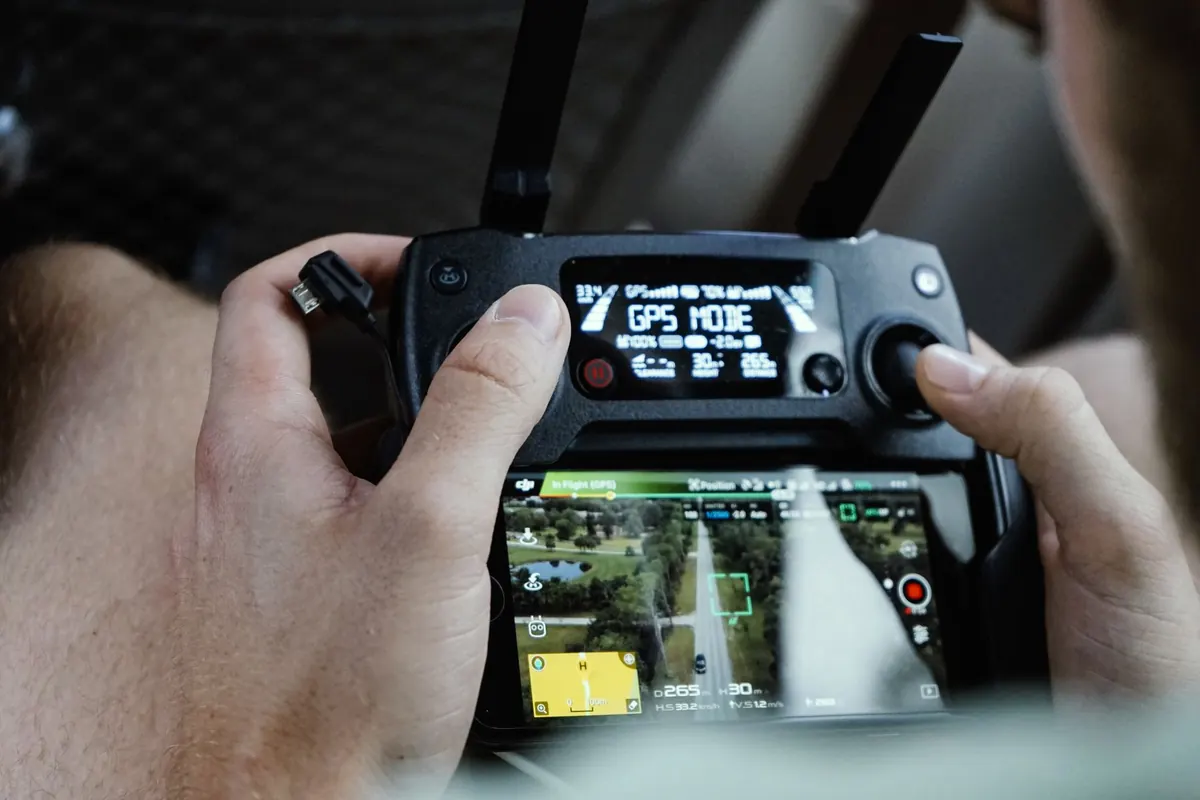
You do not need much, and you certainly do not need to spend a fortune before you know whether you enjoy it. A smartphone with the official Geocaching app or a handheld GPS unit will get you to the coordinates. Beyond that, a few small items make the difference between a frustrating search and a satisfying one.
- A pen or pencil. Some caches contain one, many do not. A pencil works when a pen has dried out or frozen.
- Tweezers. Essential for extracting tightly rolled logs from nano caches.
- Small swap items. Coins, badges, marbles, small toys. Only swap if the cache is large enough and you can leave something of equal or greater value.
- Gloves and hand sanitiser. Hiding places are often damp, muddy or covered in spider webs.
- A power bank and offline maps. Signal can vanish in woods and valleys, and GPS use drains a phone battery quickly.
- Sturdy shoes and weatherproof layers. A cache rated low terrain can still sit at the end of a muddy field path.
Add water, a snack and a small bag for rubbish if you want to follow the geocaching habit of Cache In Trash Out: picking up litter as you go. It costs nothing and leaves a place better than you found it.
How to find your first cache, step by step
- Create a free account on the main listing site. Then open the map and filter for traditional caches with low difficulty and terrain ratings. Choose one within a short walk of home, ideally a small or regular size rather than a nano.
- Read the cache page properly. Look at the description, the hint and the most recent logs. If the last few entries say “did not find”, choose another. Check whether parking is obvious and whether the route follows a public path.
- Head towards the coordinates. Your phone compass may swing about, especially under trees or beside buildings. Watch the distance count down rather than trusting the arrow alone.
- Search at ground zero. Think like the person who hid it. Check under benches, behind signposts, in wall gaps, at the base of trees, inside hollows and beneath loose stones. Do not dig, pull structures apart or trample planting. If you have not found it after ten or fifteen minutes, read the hint or recent logs, then walk away and try another day.
- Sign the logbook. Use your username and the date. If there are swaps, trade fairly. Then close the container tightly and return it exactly as you found it, hidden from casual view.
- Log your find online. A “Found it” log is polite. A “Did Not Find” log is useful too, because it tells the owner and other hunters what is happening. Avoid spoiler photos or details that give away the hiding place.
Geocaching etiquette: leave no trace, and no spoilers
The game depends on people treating each cache as if the next finder matters, because they do. Rehide the container as you found it, or better. Do not move a cache to a “better” spot. Do not post photos of the container in its hiding place, and do not describe the exact location in your online log. If a logbook is full or damp, mention it in your log so the owner can act.
Trackables are not ordinary swaps. If you take one, log it and move it along reasonably soon. Do not keep it as a souvenir. If you are with children, supervise the search and the swaps. And if someone asks what you are doing, a simple explanation usually works better than acting suspiciously. Most people are amused once they understand.
UK access rules and land permissions
Geocaching can take you to places you would never otherwise visit, but it does not give you special access. In England and Wales, public rights of way and open access land allow walking on many routes, but not all land is open. In Scotland, the Scottish Outdoor Access Code supports responsible access to most land and inland water, with exceptions and responsibilities. In Northern Ireland, access is often on permissive paths, country parks and other managed sites. Always follow signs, stay on legal routes, leave gates as you find them and keep dogs under control around livestock and wildlife.
Placing a cache almost always requires permission from the landowner or manager, and many organisations have their own geocaching policies. Finding a cache is different, but the same principle applies: do not enter private land, climb fences or ignore closures just because a container is nearby. Avoid searching on railway lines, motorway verges, military land, active quarries, sites of special scientific interest, scheduled monuments and nature reserves where geocaching is not allowed. If a cache page mentions permission, respect the conditions attached to it. If you are unsure whether a location is publicly accessible, skip that cache and choose another. This is general guidance rather than legal advice; for specific land, check with the landowner, local authority or access body.
Safety, stealth and common beginner mistakes
Tell someone where you are going, check the weather and do not take risks for a plastic box. A cache is never worth a cliff edge, a fast road, a swollen stream or a locked gate. In towns, be discreet. Geocachers call non-players “muggles”, and a quiet search looks far less odd than a frantic one. If you are near homes, schools or shops, keep your voice down and avoid blocking pavements.
The most common mistake is trusting a phone’s compass too literally. GPS accuracy can be poor under tree cover, in steep valleys or between tall buildings, so the container may be ten or twenty metres from where your dot says. Use the hint, read recent logs and widen your search slowly. Another mistake is giving up too soon. A did-not-find is normal, especially at first. Log it, learn from it and move on.
Start with three caches close to home
Pick three easy traditional caches within a short walk of where you live. Take a pen, wear sensible shoes and give yourself an hour. Find them, log them and notice how a familiar street or park feels different when you are looking for something hidden. Once that feels comfortable, try a multi-cache or a slightly higher terrain rating. If you later want to hide your own, find a good few first, choose a waterproof container, get permission and place it somewhere that will survive busy paths and bad weather.
The next time you pass a bench, a noticeboard or a gap in a wall, you may find yourself glancing twice. That is the sign that geocaching has taken hold. Keep the coordinates handy, keep the logbook dry and leave the place as you found it.
Photo: Kyle Loftus / Pexels