The Reality Check: What Actually Matters in iGaming in 2025
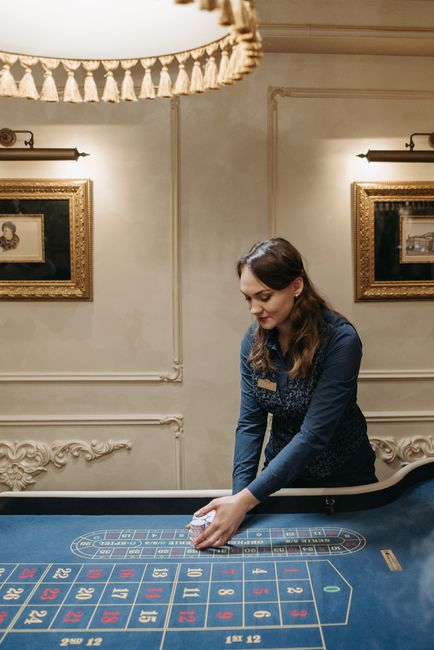
Walk into any casino forum at 2 AM and you'll see the same thread repeating every few weeks: someone lost their rent money chasing a progressive jackpot, someone else is convinced a slot is "due" for a payout, and a third person is arguing that poker is dead because the solvers killed creativity. Three players, three very different delusions. But each one points to something real about the modern iGaming landscape — and understanding those realities is the difference between a hobby and a slow bleed.
This isn't a listicle about "best casinos" or a thinly veiled affiliate pitch. It's a working player's look at what's actually changed in the industry, where the edge truly lives for regular people, and how to stop treating gambling like a personal finance strategy.
The House Edge Is Not Negotiable — But Your Exposure Is
Let's start with the uncomfortable math. A standard European roulette wheel holds a house edge of 2.7%. American wheels with the double zero push it to 5.26%. Those numbers don't budge based on how you feel, how long you've been playing, or whether you're wearing your lucky socks. What you can control is how many hands you expose to that edge.
This is the part most players ignore in favor of hunting "hot" machines. A player who runs 500 hands of blackjack at a €5 table is cycling €2,500 through a house edge of roughly 0.5% under perfect basic strategy — an expected loss of about €12.50. The same player mashing a 96% RTP slot at €1 spins for three hours (around 900 spins) is pushing €900 through, expecting about €36 in losses. Different games, different churn, wildly different bleed rates. For up-to-date information, visit B52CLUB.
- RTP vs. actual session outcome: A 96.5% RTP doesn't mean you get 96.5% back tonight. It's a long-run figure measured over millions of spins. Short sessions are dominated by variance, not the average.
- Volatility is a feature, not a bug: High-volatility slots like those in the Big Time Gaming Megaways line pay less often but offer bigger ceiling hits. Low-volatility games keep you afloat longer but rarely produce life-changing wins.
- Bonuses rarely fix the math: A 100% match bonus with 40x wagering means you'd need to wager €4,000 on a €100 bonus before withdrawing. At a 3% contribution-weighted edge on most slots, you're likely losing more than the bonus is worth.
Slots: Where the Industry Quietly Innovates
Slots get mocked as mindless, but the design work happening behind them is genuinely impressive. Studios like Nolimit City, Hacksaw Gaming, and Relax Gaming now build mechanics-first titles where gameplay triggers — not pretty visuals — drive engagement. Nolimit's xMechanic system, which controls reel-splitting and symbol stacking mid-spin, introduced a level of dynamic complexity that spins simple three-reel thinking on its head.
The practical takeaway for players: bonus buy features, now legal in several regulated markets, let you skip the grind and pay a fixed price (usually 50x to 100x your stake) for instant access to the free spins round. On a €1 stake, that's €50 to €100 for a single shot at the feature. It's transparent, but also brutal — you're paying upfront for high variance with no guarantee of recovery.
Poker: The Solver Era Changed Everything
Fifteen years ago, a sharp amateur could still profit in mid-stakes online cash games. That door closed. GTO solver software and AI training tools mean the average €1/€2 Zoom pool is populated by players who know exactly which combos to bluff with on a river that bricks out a flush draw. Recreational players still exist, but they're concentrated in live low-stakes rooms, tourist-heavy casinos, and specific online formats like fast-fold and bounty tournaments.
Where does the edge live now for a competent amateur?
- Live low-stakes cash: €1/€2 or €2/€5 at a local casino remains softer than almost any online equivalent. No HUDs, no solvers, and a lot of players who watch poker on TV but don't study ranges.
- Bounty tournaments (PKOs): Knockout formats punish pure GTO play because chip accumulation isn't the sole goal. Understanding bounty math — when a call is +EV purely for the reward — separates winners here.
- Game selection over hand selection: The single biggest leak for most players isn't a bad call on the turn. It's sitting in a game tougher than they can beat. Move down, move tables, find softer lineups.
Sports Betting: Where the Sharps Actually Live
Sports books are not a level playing field. Pinnacle and similar low-margin books (2-3% overround) operate on volume and sharp action. Meanwhile, public-facing high-street books maintain 6-12% margins on popular markets and routinely limit or ban winning accounts. That asymmetry is the entire game.
If you're betting recreationally, that's fine — you pay a premium for entertainment. But if you believe you have an edge, you need to understand closing line value (CLV). Consistently beating the closing odds on a market is the strongest statistical signal that your bets have long-term value, even if short-term results swing hard. Sharp bettors track CLV obsessively; recreational bettors track their balance and draw false conclusions from 20-bet samples.
The Licence Question Nobody Wants to Ask
Regulation has shifted drastically. The UK Gambling Commission, Malta Gaming Authority, and Sweden's Spelinspektionen enforce strict compliance on advertising, bonus terms, and responsible gambling tools. Playing at an unlicensed offshore site might offer bigger bonuses and no KYC checks — right up until you hit a withdrawal dispute and discover you have no legal recourse. Further details are available through B52 CLUB.
Licensed operators must accept complaints through Alternative Dispute Resolution (ADR) services, hold segregated player funds, and submit to audits. That's worth more than a 20% extra deposit bonus from a site registered in a jurisdiction you can't locate on a map. Your bankroll is only safe where the operator's solvency is verifiable.
The uncomfortable truth is this: iGaming will never be a reliable income source for the vast majority of players, and anyone telling you otherwise is selling a course. That doesn't make it worthless. Slot design is at a creative peak, poker rewards disciplined study more than ever, and betting markets offer genuine analytical puzzles for people who enjoy the process. The difference between a sustainable hobby and a destructive habit comes down to three things — understanding the true cost of every wager, refusing to chase losses across sessions, and picking a regulated operator that plays by the rules. Everything else is just noise.