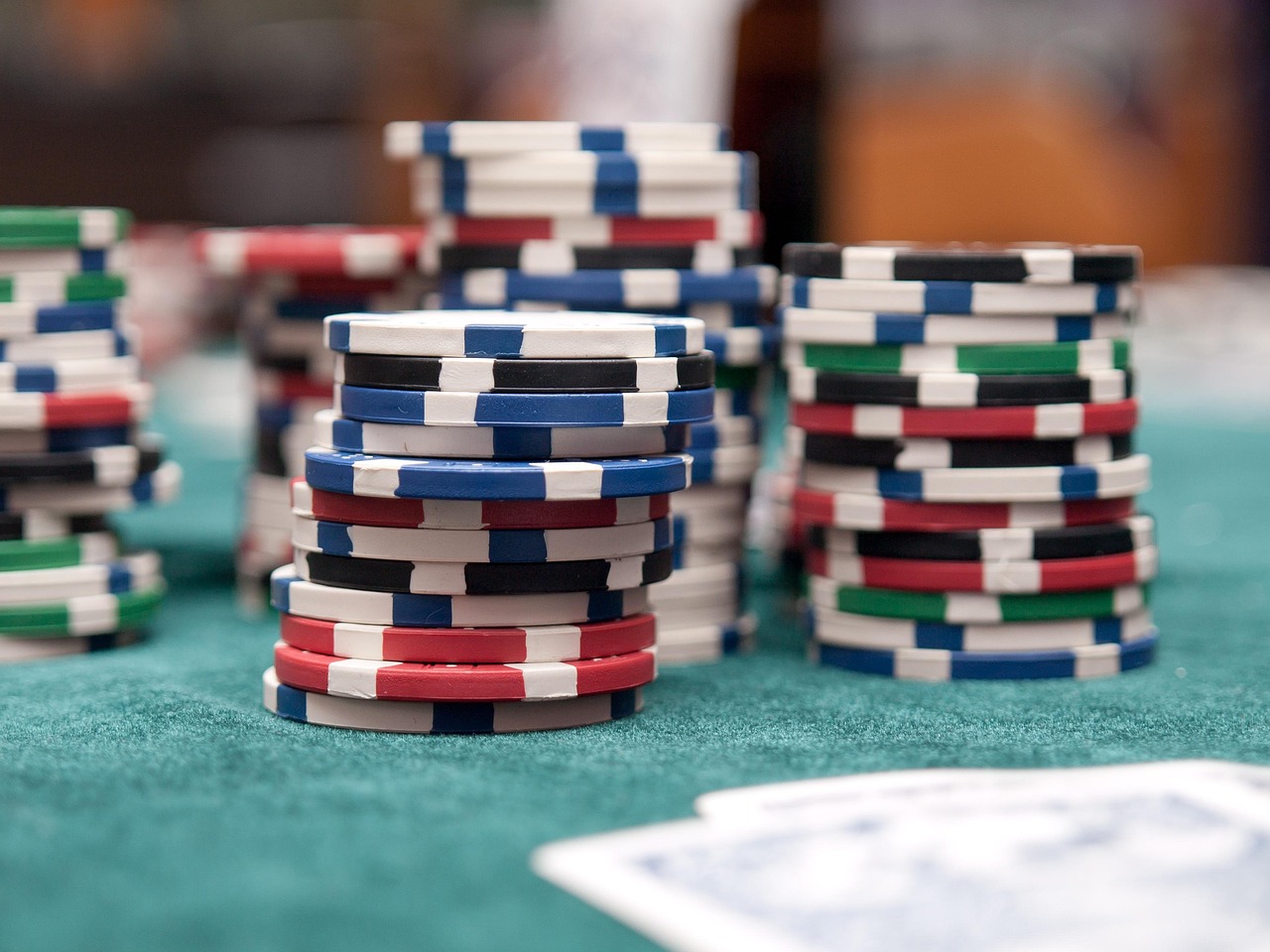
The iGaming Edge: How to Win Without Losing Your Shirt

You’ve seen the flashy ads, the streamers hitting six-figure jackpots, and the sports betting promos that promise free money. But let’s cut the noise. iGaming—online casinos, sports betting, poker, slots—is a multi-billion-dollar industry built on math, psychology, and a little bit of luck. The difference between a casual player who enjoys the ride and a frustrated one who drains their bank account comes down to understanding how the games actually work. This isn’t about secret systems or guaranteed wins. It’s about playing smarter, longer, and with your eyes wide open.
House Edge: The Only Number That Really Matters
Every casino game has a built-in advantage for the operator. That’s not a conspiracy—it’s how they keep the lights on. The house edge is the average percentage of each bet the casino expects to keep over time. For example, European roulette has a 2.7% house edge (one green zero). American roulette doubles the zeros, pushing the edge to 5.26%. Blackjack, played with basic strategy, can drop the edge to 0.5% or less. Slot machines? They can range from 2% to 15%, depending on the game and the casino’s settings.
Why does this matter? Because the lower the edge, the longer your bankroll lasts. If you’re going to play, pick games with better odds. That doesn’t mean you’ll win every session—variance is a beast—but over hundreds of bets, you’ll lose less. And if you’re playing for entertainment, losing less is the real win.
- Blackjack (basic strategy): 0.5% edge
- Baccarat (banker bet): 1.06% edge
- European roulette: 2.7% edge
- Slots: 2–15% edge (check the paytable for RTP)
- American roulette: 5.26% edge
Slots: Flashy, Fun, and Often Misunderstood
Slots are the most popular iGaming product for a reason. They’re simple, visually stimulating, and offer the dream of a massive jackpot for a tiny bet. But they’re also where most players lose their money fastest. The key metric is RTP—Return to Player. A 96% RTP means the game pays back $96 for every $100 wagered over millions of spins. That sounds decent, but it also means a 4% house edge. On a $1 spin, you’re losing four cents per spin on average. After 500 spins, that’s $20 gone—even if you hit a few small wins along the way.
High-volatility slots (like many Megaways titles) pay out rarely but can be huge. Low-volatility slots pay small amounts frequently. Neither is “better”—it depends on your bankroll and patience. A good rule: if you wouldn’t be comfortable losing your entire deposit without a single bonus round, drop your bet size. And always check the RTP, which is usually listed in the game’s info screen.
Sports Betting: Where Knowledge Meets Value
Sports betting feels more skill-based than slots, and to some extent, it is. If you know football better than the average fan, you can find edges. But the bookmaker’s margin—the vig—is baked into every odds line. A standard -110 point spread means you must win 52.4% of your bets just to break even. That’s a tough threshold.
Successful bettors focus on value, not just winners. A value bet is when the true probability of an outcome is higher than the implied probability from the odds. For example, if you think a team has a 50% chance to win, but the odds imply only 40%, that’s value. Consistently finding value requires research, line shopping (comparing odds across multiple sportsbooks), and bankroll discipline. Chasing losses or betting on your favorite team because of loyalty is a fast track to the poorhouse. Anyone weighing up options should see 88CLB.
- Line shop aggressively. A half-point difference on a spread can turn a loss into a push or a win.
- Track your bets. A simple spreadsheet reveals your true win rate and ROI.
- Bet a fixed percentage. Never more than 1–2% of your bankroll on a single game.
- Ignore parlay hype. They’re fun, but the house edge compounds with each added leg.
Poker: The Game of Skill Hiding in a Casino
Poker is different. You’re not playing against the house—you’re playing against other players. The casino takes a rake (a small cut of each pot), but if you’re better than your opponents, you can win long-term. That’s why poker is the only iGaming vertical where professionals consistently profit. For practical tips, check out 88 CLB.
But “better” doesn’t mean lucky. It means understanding position, pot odds, ranges, and player tendencies. A tight-aggressive strategy works at low stakes. Bluffing too much is a rookie mistake—most low-stakes players call too often. The real edge comes from folding weak hands, betting for value, and adjusting to your table. If you’re new, start with play money or micro-stakes. Losing $10 learning is cheaper than losing $1,000.
Bankroll Management: The Unsexy Superpower
Here’s the truth that gambling companies don’t want to shout about: most players lose over time. That’s not pessimism—it’s arithmetic. But you can still have fun and avoid financial pain by treating your iGaming budget like any other entertainment expense. Set a monthly limit you’re genuinely okay losing. If you hit it, stop. Don’t chase losses. Don’t use credit cards. Don’t play while drunk or emotional.
Use tools the platforms provide: deposit limits, session timers, self-exclusion. They exist for a reason. And if you ever feel like you can’t stop, seek help. iGaming should be a hobby, not a lifeline.
The Bottom Line
iGaming isn’t going anywhere. It’s convenient, entertaining, and offers a thrill that land-based casinos can’t match. But the players who enjoy it most are the ones who respect the math. They pick lower-edge games, bet within their means, and treat bonuses and jackpots as icing—not the cake. You don’t need to be a mathematician or a pro poker player to have a good time. You just need to know when to walk away, and when to double down on common sense.